
Apa yang Anda Cari?

Apabila merancang projek solar, salah satu soalan pertama yang sering dihadapi oleh pembangun ialah sama ada untuk meletakkan panel di atas bumbung atau memasang sistem yang dipasang di atas tanah. Pemasangan di atas tanah cenderung lebih fleksibel dan boleh menghasilkan lebih banyak tenaga, tetapi ia biasanya lebih mahal daripada pemasangan di atas bumbung. Mengetahui mengapa kosnya berbeza-beza boleh membantu pemilik membuat pilihan yang lebih bijak.
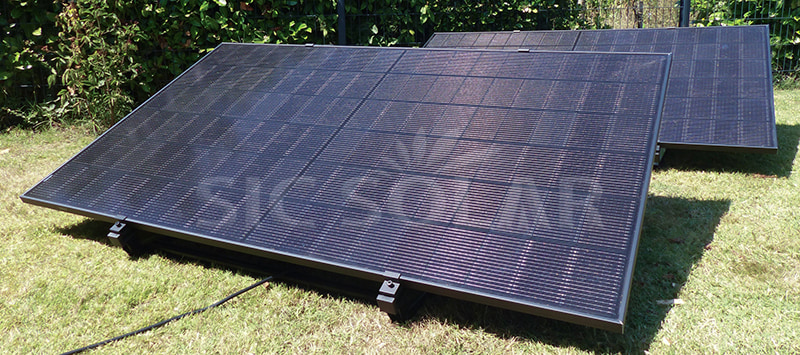
Sebab utama perbezaan kos adalah asasnya. Panel yang dipasang di atas tanah memerlukan tapak yang kukuh, seperti tapak konkrit atau skru pembumian, untuk memastikannya stabil terhadap angin, salji dan cuaca lain. Membina asas ini bermakna lebih banyak bahan, peralatan khas dan tenaga kerja tambahan, yang menambah kos. Sebaliknya, sistem bumbung bergantung pada struktur sedia ada bangunan, yang mengurangkan perbelanjaan asas.
Tenaga buruh dan kerumitan pemasangan juga memainkan peranan. Pemasangan di atas tanah memerlukan tinjauan tapak, penyediaan tanah dan pemasangan berbilang baris rak. Panel perlu disusun dengan teliti untuk menangkap cahaya matahari yang paling banyak. Pemasangan atas bumbung cenderung lebih mudah, dengan lebih sedikit bahagian dan kerja yang lebih cepat kerana ia dipasang pada bumbung sedia ada.
Penggunaan bahan adalah faktor lain. Sistem di atas tanah memerlukan rak yang lebih besar dan sokongan yang lebih kuat untuk memastikan panel selamat dari tanah. Rak ini mesti tahan lasak, tahan kakisan dan tahan cuaca selama bertahun-tahun. Syarikat seperti SIC Solar membuat peralatan pemasangan yang berkualiti untuk pemasangan di atas tanah, tetapi bahan tambahan menaikkan harga berbanding rak atas bumbung.
Keadaan tapak juga penting. Susunan yang dipasang di atas tanah mungkin perlu diratakan, dibuang tumbuhan atau kerja tanah lain, terutamanya di tanah yang tidak rata atau condong. Pendawaian, penyongsang dan peralatan keselamatan juga mungkin lebih rumit kerana jarak antara panel dan bangunan atau grid.
Penyelenggaraan dan akses juga mempengaruhi kos. Sistem tanah lebih mudah dicapai untuk pembersihan atau pembaikan, tetapi memastikan ia selamat dan tahan lama memerlukan reka bentuk yang baik dan alat ganti yang boleh dipercayai. Pembekal seperti SIC Solar menawarkan cagak yang memastikan struktur kukuh dan tahan lama, yang menambah kos pendahuluan.
Walaupun pemasangan di atas tanah selalunya lebih mahal pada mulanya, ia membawa manfaat seperti kedudukan panel yang lebih baik, penyejukan semula jadi daripada aliran udara dan pengembangan yang lebih mudah. Untuk projek besar dengan ruang yang luas, kelebihan ini boleh menjadikan perbelanjaan tambahan berbaloi.



 IPv6 rangkaian disokong
 Melayu
  English
 Deutsch
 español
 português
 Nederlands
 العربية
 日本語
日本語 한국의
한국의 Tiếng việt