
Apa yang Anda Cari?

Struktur solar pos tunggal , juga dikenali sebagai sistem pelekap tiang tunggal, digunakan secara meluas dalam pelbagai aplikasi fotovoltaik kerana reka bentuk padat dan fleksibiliti pemasangannya. Tidak seperti sistem pelekap berbilang tiang tradisional di atas tanah, struktur ini menggunakan satu tiang sokongan pusat untuk memegang berbilang panel solar. Reka bentuk uniknya menawarkan beberapa kelebihan untuk projek solar kediaman dan komersial.
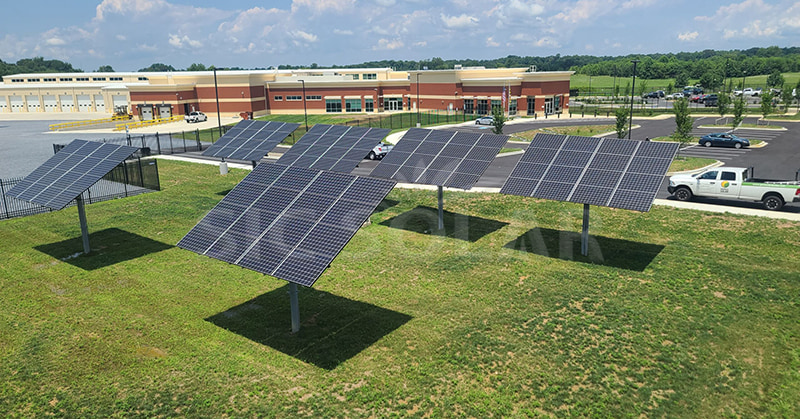
Salah satu kelebihan utama struktur solar tiang tunggal ialah penggunaan tanah yang cekap. Memandangkan sistem ini bergantung pada tiang sokongan tunggal dan bukannya berbilang tiang, ia menempati ruang tanah yang lebih sedikit. Ini menjadikannya sesuai untuk lokasi di mana kawasan pemasangan yang tersedia adalah terhad. Jejak yang dikurangkan juga meninggalkan lebih banyak tanah terbuka untuk kegunaan lain, seperti landskap, tempat letak kereta atau aktiviti pertanian.
Satu lagi faedah penting ialah fleksibiliti pemasangan. Sistem tiang tunggal selalunya boleh dipasang di kawasan di mana sistem pemasangan tradisional di atas tanah mungkin sukar untuk digunakan. Ia biasanya digunakan di kawasan yang tidak rata, tapak terpencil atau lokasi dengan ruang akses yang terhad. Oleh kerana struktur disokong oleh tiang tengah, ia boleh menyesuaikan diri dengan lebih mudah kepada keadaan tanah yang berbeza-beza.
Reka bentuk struktur yang dipermudahkan juga dapat mengurangkan masa pemasangan. Berbanding dengan sistem yang memerlukan berbilang titik asas, struktur tiang tunggal biasanya hanya memerlukan satu asas utama untuk setiap unit. Bergantung pada keadaan tanah, asas ini mungkin menggunakan skru pembumian, cerucuk pacuan atau tapak konkrit. Komponen struktur yang lebih sedikit dapat membantu mengurangkan keperluan buruh dan memudahkan proses pembinaan.
Sistem tiang tunggal juga menyediakan akses yang baik untuk penyelenggaraan. Memandangkan panel solar dinaikkan dan disokong dari tengah, selalunya terdapat ruang terbuka di bawah susunan. Ini menjadikan pembersihan, pemeriksaan dan pembaikan lebih mudah. Dalam sesetengah aplikasi, ruang terbuka juga boleh digunakan untuk penyimpanan, pertanian atau akses peralatan.
Satu lagi kelebihan ialah kedudukan panel boleh laras. Banyak struktur tiang tunggal membolehkan sudut kecondongan panel solar dilaraskan mengikut keadaan cahaya matahari bermusim. Fleksibiliti ini dapat meningkatkan penjanaan tenaga dengan mengoptimumkan sudut pendedahan kepada matahari. Dalam beberapa reka bentuk canggih, struktur tersebut juga boleh disepadukan dengan sistem penjejakan untuk meningkatkan lagi output tenaga.
Rintangan angin dan kestabilan struktur juga merupakan pertimbangan penting. Walaupun struktur disokong oleh satu tiang, kejuruteraan yang betul memastikan beban diagihkan secara sama rata merentasi rangka kerja pemasangan. Bahan berkualiti tinggi seperti keluli tergalvani dan aluminium membantu mengekalkan ketahanan di bawah keadaan luar.
Pengilang seperti SIC Solar menyediakan penyelesaian pemasangan fotovoltaik yang boleh disesuaikan untuk aplikasi tiang tunggal. Sistem mereka direka bentuk untuk mengimbangi kekuatan, kemudahan pemasangan dan kebolehpercayaan jangka panjang, membantu pemasang mencapai pemasangan solar yang stabil dan cekap dalam persekitaran yang berbeza.
Struktur solar tiang tunggal juga lebih bersih secara visual berbanding beberapa sistem berbilang tiang yang lebih besar. Penampilannya yang ramping menjadikannya lebih sesuai untuk hartanah kediaman, taman atau tapak komersial yang mementingkan estetika.
Disebabkan fleksibiliti dan penggunaan ruang yang cekap, sistem pelekap tiang tunggal digunakan dalam pelbagai projek, daripada pemasangan kediaman kecil hingga aplikasi komersial khusus. Keupayaannya untuk menggabungkan kesederhanaan struktur dengan fungsi praktikal menjadikannya pilihan yang menarik dalam pembangunan tenaga solar moden.



 IPv6 rangkaian disokong
 Melayu
  English
 Deutsch
 español
 português
 Nederlands
 العربية
 日本語
日本語 한국의
한국의 Tiếng việt