
Apa yang Anda Cari?

Sudut di mana panel solar atas bumbung dicondongkan—oh, ia benar-benar mengubah permainan! Ia seperti tarian matahari dengan panel-panel tersebut, mempengaruhi segala-galanya daripada penghasilan tenaga hingga kepada seni bina sistem pemasangan itu sendiri. Tetapi inilah perkara penting—tiada satu sudut yang sesuai untuk semua projek seperti sarung tangan. Titik terbaik untuk kecondongan? Ia merupakan gabungan pelbagai faktor: lokasi anda di peta, ciri-ciri bumbung, arah panel menghadap, perubahan cuaca tempatan, dan ruang yang anda ada untuk digunakan...
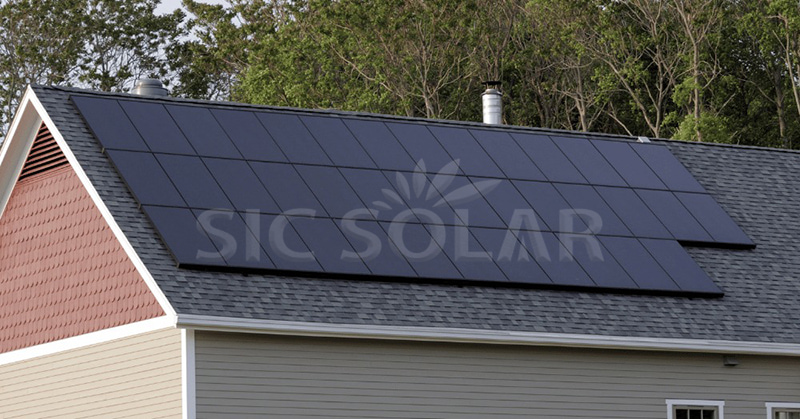
Bagi pemasangan tetap atas bumbung, fikirkan latitud—seperti kompas yang membimbing anda. Petua umum? Mulakan dengan sudut yang menyamai latitud tempatan anda, kemudian laraskannya untuk menangkap cahaya matahari bermusim dan memenuhi keperluan projek anda. Kecondongan yang lebih curam boleh menjadi kelebihan pada musim sejuk di sesetengah tempat, manakala cerun yang lebih landai mungkin merupakan pilihan terbaik untuk mengurangkan beban angin dan memastikan ketinggian keseluruhan terkawal.
Kini, bumbung rata—ah, ia seperti kanvas kosong! Anda boleh mereka bentuk struktur pemasangan untuk mencapai kecondongan yang sempurna itu. Dalam dunia komersial, sudut rendah sering mencapai keseimbangan—pengeluaran tenaga, rintangan angin, jarak antara barisan, dan liputan bumbung semuanya berada dalam keharmonian. Tetapi ingat, nombor ajaib untuk kecondongan tidak bersifat sejagat; semuanya bergantung pada pengiraan khusus untuk projek anda.
Dan jangan lupa tentang orientasi bumbung—oh, ia sangat penting! Di Hemisfera Utara, susunan yang menghadap ke selatan sering dianggap pilihan terbaik, tetapi sistem yang menghadap ke timur atau barat masih boleh berprestasi baik jika susun atur bumbung atau keperluan tenaga memerlukannya. Melaraskan sudut kecondongan mungkin diperlukan untuk mengimbangi sebarang kekangan orientasi.
Cuaca juga memainkan peranannya. Di kawasan berangin, kecondongan yang lebih rendah boleh mengurangkan tekanan pada panel dan pemasangannya. Sementara itu, di kawasan bersalji, sudut yang lebih curam boleh menjadi rakan terbaik anda, membantu salji meluncur turun dengan mudah. Dan jangan abaikan saliran bumbung, teduhan, serta akses penyelenggaraan apabila anda mereka bentuk sistem anda.
Struktur pemasangan—oh, ia mesti mengekalkan sudut yang dipilih itu dengan kukuh dalam pelbagai keadaan. Hadir SIC Solar, pakar sistem pemasangan fotovoltaik. Mereka menghasilkan penyelesaian pemasangan bumbung yang boleh disesuaikan dengan pelbagai gaya bumbung dan keperluan kecondongan. Sama ada anda memerlukan struktur sudut boleh laras atau sudut tetap, mereka menyokong anda, disesuaikan dengan keadaan unik projek anda.
Soalan RFQ untuk Sistem Pemasangan Solar Atas Bumbung
S: Apakah sudut kecondongan terbaik untuk panel solar atas bumbung?
J: Ia agak seperti teka-teki—lokasi, orientasi bumbung, iklim, susun atur panel, dan matlamat projek semuanya memainkan peranan. Reka bentuk yang disesuaikan dengan tapak ialah pilihan terbaik anda.
S: Bolehkah sudut pemasangan disesuaikan?
J: Sudah tentu! Anda boleh mereka bentuk struktur pemasangan dengan sudut tetap atau boleh laras untuk memenuhi keperluan projek anda.
S: Apakah maklumat yang saya perlukan untuk RFQ?
J: Hanya kongsikan lokasi projek, jenis bumbung, dimensi, saiz dan kuantiti panel, sudut kecondongan yang dikehendaki, serta cara anda merancang untuk memasangnya.
S: Adakah sudut kecondongan rendah baik untuk bumbung rata?
J: Ia boleh menjadi pilihan yang baik! Sistem sudut rendah mungkin membantu mengurangkan pendedahan kepada angin dan memanfaatkan ruang bumbung dengan lebih baik, tetapi pastikan anda menjalankan pengiraan struktur dan tenaga terlebih dahulu.
S: Bolehkah sistem pemasangan berfungsi dengan jenis bumbung yang berbeza?
J: Sudah tentu! Penyelesaian boleh direka untuk bumbung rata, logam, jubin, dan gaya bumbung lain yang sesuai.
S: Bolehkah SIC Solar menyediakan penyelesaian pemasangan atas bumbung tersuai?
J: Ya, sudah tentu! Mereka boleh menyesuaikan konfigurasi pemasangan berdasarkan struktur bumbung anda, spesifikasi panel, beban persekitaran, dan keperluan pemasangan.



 IPv6 rangkaian disokong
 Melayu
  English
 Deutsch
 español
 português
 Nederlands
 العربية
 日本語
日本語 한국의
한국의 Tiếng việt