
Apa yang Anda Cari?

Bersepadu bangunan fotovoltaik (BIPV) menggabungkan modul solar dengan bumbung, fasad, dan bahagian lain bangunan. Tidak seperti sistem solar atas bumbung tradisional, struktur pemasangan juga merupakan sebahagian daripada reka bentuk bangunan. Ia perlu menyediakan sokongan yang boleh dipercayai sambil sepadan dengan rupa dan pembinaan bangunan.
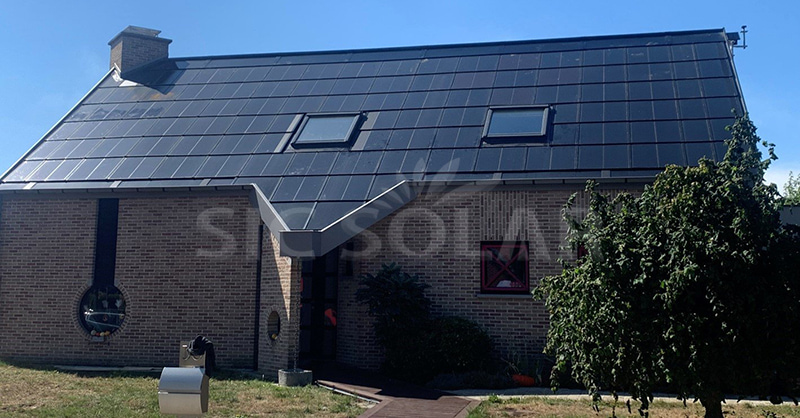
Salah satu cabaran pertama ialah keserasian struktur. Setiap bangunan mempunyai kaedah pembinaan, bahan, dan keadaan galas beban yang berbeza. Sistem pemasangan perlu berfungsi dengan struktur sedia ada dan bukannya sekadar ditambah di atasnya. Berat panel, tekanan angin, beban salji, dan pergerakan haba semuanya perlu dipertimbangkan apabila memilih pendakap, rel, dan titik sambungan.
Kalis air boleh menjadi satu lagi kebimbangan, terutamanya dengan sistem BIPV bersepadu bumbung. Sebarang sambungan yang menembusi sampul bangunan perlu direka bentuk dan ditutup dengan betul. Saliran juga perlu dipertimbangkan sejak awal supaya air tidak terperangkap di sekitar komponen pemasangan.
Kemudian terdapat rupa sistem itu. Dengan BIPV, struktur pemasangan sering dijangka menyatu dengan bangunan dan bukannya menonjol. Pendakap, rel, dan pengikat yang terdedah boleh menjejaskan rupa akhir, jadi kedudukan komponen dan penjajaran panel perlu dirancang dengan teliti. Dalam sesetengah projek, komponen pemasangan tersembunyi atau berprofil rendah mungkin lebih disukai.
Pemasangan itu sendiri juga boleh memerlukan lebih banyak perancangan berbanding projek solar konvensional. Aplikasi fasad, khususnya pada bangunan yang lebih tinggi, mungkin memerlukan perancah, peralatan pengangkat, atau penyelesaian akses lain. Ukuran yang tepat juga penting. Kesilapan kedudukan kecil boleh menjadi sangat ketara apabila banyak panel dipasang merentasi fasad.
Keserasian bahan tidak boleh diabaikan. Aluminium dan keluli tahan karat biasanya digunakan dalam sistem pemasangan BIPV kerana kedua-duanya menawarkan keseimbangan yang baik antara kekuatan, berat, dan ketahanan kakisan. Walau bagaimanapun, bahan yang digunakan untuk pendakap dan pengikat juga harus serasi dengan struktur sekeliling untuk membantu mengelakkan kakisan galvanik dari semasa ke semasa.
SIC Solar membekalkan sistem pemasangan fotovoltaik untuk pelbagai aplikasi BIPV, termasuk pendakap tersuai dan komponen sambungan. Untuk projek dengan struktur bangunan luar biasa atau keperluan seni bina tertentu, komponen pemasangan boleh dibangunkan berdasarkan dimensi modul, titik sambungan, dan keadaan pemasangan.
Sebelum meminta sebut harga, adalah berguna untuk menyediakan lukisan bangunan, bahan bumbung atau fasad, dimensi modul, lokasi pemasangan, beban yang dijangka, dan kaedah pemasangan pilihan. Semakin banyak maklumat projek yang diberikan pada peringkat reka bentuk, semakin mudah untuk membangunkan penyelesaian pemasangan yang berfungsi dari segi struktur dan praktikal.
S: Bolehkah sistem pemasangan BIPV disesuaikan untuk bangunan tertentu?
J: Ya. Pendakap, rel, dimensi, titik sambungan, dan komponen lain boleh disesuaikan agar sesuai dengan struktur bangunan dan spesifikasi modul.
S: Apakah maklumat yang perlu saya berikan apabila meminta RFQ?
J: Maklumat berguna termasuk jenis bangunan, bahan bumbung atau fasad, dimensi panel, lokasi projek, kaedah pemasangan, kuantiti anggaran, dan keperluan beban struktur.
S: Bolehkah pendakap pemasangan BIPV dipasang pada fasad?
J: Ya. Bergantung pada struktur bangunan, penyelesaian pemasangan boleh dibangunkan untuk dinding konkrit, fasad logam, sistem dinding tirai, dan permukaan lain yang sesuai.
S: Bagaimanakah sistem pemasangan boleh mengurangkan risiko kalis air?
J: Reka bentuk harus mengelakkan penembusan yang tidak diperlukan jika boleh dan membolehkan titik sambungan, pengedapan, dan saliran berfungsi bersama sebagai sebahagian daripada sampul bangunan.
S: Apakah bahan yang biasa digunakan untuk komponen pemasangan BIPV?
J: Aloi aluminium dan keluli tahan karat biasanya digunakan kerana kedua-duanya agak ringan, tahan lama, dan sesuai untuk aplikasi luar.
S: Bolehkah SIC Solar membangunkan penyelesaian pemasangan berdasarkan lukisan projek?
J: Ya. Penyelesaian pemasangan khusus projek boleh dibangunkan berdasarkan lukisan bangunan, spesifikasi modul, keadaan persekitaran, keperluan struktur, dan butiran pemasangan.



 IPv6 rangkaian disokong
 Melayu
  English
 Deutsch
 español
 português
 Nederlands
 العربية
 日本語
日本語 한국의
한국의 Tiếng việt