
Apa yang Anda Cari?

Sistem agrivoltaik , yang menggabungkan penjanaan tenaga solar dengan pengeluaran pertanian, semakin popular sebagai cara yang mampan untuk memaksimumkan penggunaan tanah. Dengan memasang panel fotovoltaik di atas tanaman, sistem ini membolehkan pertanian dan pengeluaran tenaga wujud bersama. Satu persoalan lazim bagi pemaju projek dan pemilik tanah ialah berapa lama masa yang diperlukan untuk memasang sistem sedemikian.
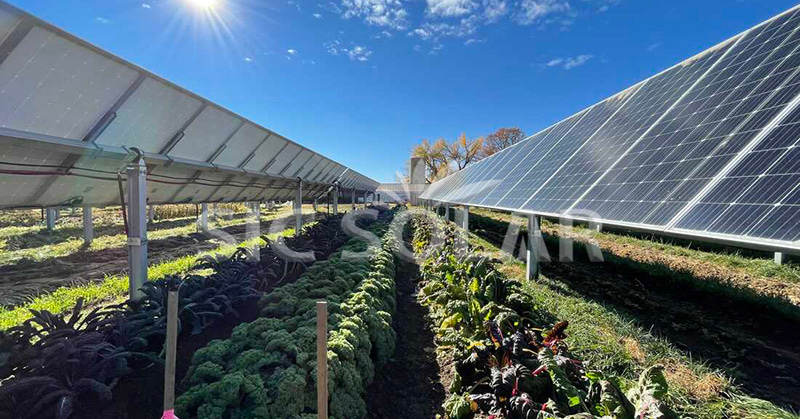
Garis masa pemasangan untuk sistem agrivoltaik boleh berbeza-beza bergantung kepada beberapa faktor, termasuk saiz projek, keadaan tapak, reka bentuk sistem dan sumber yang tersedia. Secara amnya, projek kecil hingga sederhana mungkin mengambil masa beberapa minggu, manakala pemasangan berskala besar mungkin memerlukan beberapa bulan dari kerja asas awal hingga pentauliahan akhir.
Proses ini bermula dengan penilaian dan penyediaan tapak. Peringkat ini merangkumi ujian tanah, pengukuran tanah dan reka bentuk sistem. Oleh kerana sistem agrivoltaik mesti menampung kedua-dua struktur solar dan aktiviti pertanian, perancangan tambahan diperlukan berbanding sistem yang dipasang di atas tanah standard. Susun atur mesti memastikan jarak yang mencukupi, ketinggian panel yang sesuai dan kebolehcapaian untuk peralatan pertanian. Fasa perancangan ini boleh mengambil masa beberapa hari hingga beberapa minggu bergantung pada kerumitan projek.
Pemasangan asas merupakan salah satu langkah fizikal pertama di tapak. Bergantung pada jenis tanah, asas mungkin termasuk skru pembumian, cerucuk terdorong atau tapak konkrit. Skru pembumian selalunya lebih diutamakan kerana ia boleh dipasang dengan cepat dengan gangguan minimum pada tanah, yang penting untuk mengekalkan kebolehgunaan pertanian. Peringkat ini biasanya boleh disiapkan dalam masa beberapa hari hingga beberapa minggu, bergantung pada bilangan asas yang diperlukan.
Selepas asas dipasang, struktur pelekap dipasang. Sistem agrivoltaik selalunya menggunakan struktur tinggi untuk membolehkan tanaman tumbuh dan jentera melaluinya di bawahnya. Pemasangan struktur ini mungkin mengambil masa yang lebih lama daripada sistem standard disebabkan oleh ketinggian dan kerumitannya. Walau bagaimanapun, reka bentuk pelekap modular boleh membantu mempercepatkan proses dengan memudahkan pemasangan.
Seterusnya ialah pemasangan panel solar dan komponen elektrik. Panel dipasang pada struktur menggunakan rel dan pengapit, diikuti dengan pendawaian, persediaan inverter dan pembumian. Peringkat ini serupa dengan pemasangan solar yang lain tetapi mungkin memerlukan penjagaan tambahan untuk memastikan kabel dan komponen tidak mengganggu aktiviti pertanian.
Keadaan cuaca dan aksesibiliti tapak juga boleh mempengaruhi masa pemasangan. Hujan, rupa bumi yang tidak rata atau akses peralatan yang terhad mungkin memperlahankan kemajuan. Sebaliknya, pasukan pemasangan yang berpengalaman dan pengurusan projek yang cekap dapat mengurangkan kelewatan dengan ketara.
Pengilang seperti SIC Solar menyediakan penyelesaian pemasangan yang boleh disesuaikan untuk sistem agrivoltaik. Reka bentuk mereka memberi tumpuan kepada kestabilan struktur, kemudahan pemasangan dan keserasian dengan keperluan projek yang berbeza. Menggunakan komponen yang direka bentuk dengan baik membantu melancarkan proses pemasangan dan memastikan prestasi jangka panjang yang boleh dipercayai.
Penyelarasan antara pemasangan solar dan perancangan pertanian merupakan satu lagi aspek unik. Dalam beberapa kes, jadual pemasangan diselaraskan dengan musim penanaman atau penuaian untuk meminimumkan gangguan kepada aktiviti pertanian. Penyelarasan ini boleh menjejaskan keseluruhan garis masa tetapi membantu memastikan kejayaan pengeluaran tenaga dan penanaman tanaman.
Masa yang diperlukan untuk memasang sistem agrivoltaik akhirnya bergantung pada skala projek dan kerumitan reka bentuk. Dengan perancangan yang betul, sistem pemasangan yang sesuai dan pelaksanaan yang cekap, sistem ini boleh dipasang dalam jangka masa yang praktikal sambil memberikan manfaat tenaga boleh diperbaharui dan pertanian.



 IPv6 rangkaian disokong
 Melayu
  English
 Deutsch
 español
 português
 Nederlands
 العربية
 日本語
日本語 한국의
한국의 Tiếng việt