
Apa yang Anda Cari?

Semakin ramai orang meletakkan panel solar di atas bumbung rata , terutamanya pada bangunan besar seperti kedai, kilang dan kompleks pangsapuri. Tidak seperti bumbung yang runcing, bumbung rata memerlukan bingkai khas untuk memegang panel pada sudut yang betul. Ini memastikan ia stabil dalam tiupan angin dan menghalangnya daripada mencederakan bumbung. Mengetahui cara bingkai ini berfungsi membantu pemilik membuat keputusan yang tepat tentang sejauh mana panel berfungsi, betapa selamatnya ia dan berapa lama ia akan tahan.
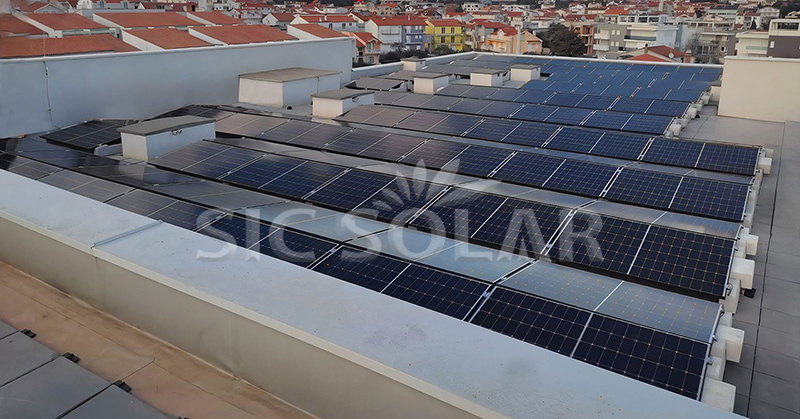
Biasanya, bingkai ini memegang panel pada satu sudut, bukan rata pada bumbung. Sudut ini—biasanya antara 5 dan 15 darjah—membolehkan panel menangkap lebih banyak cahaya matahari dan menangani angin dengan lebih baik. Orang ramai memilih sudut berdasarkan cuaca, di mana ia berada, dan bumbung itu sendiri, mengimbangi berapa banyak kuasa yang mereka dapat dengan betapa selamatnya sesuatu.
Terdapat dua cara utama untuk melekatkan panel solar pada bumbung rata: dengan pemberat atau dengan bolt. Sistem pemberat menggunakan bahan seperti blok konkrit untuk menahan bingkai tanpa mencucuk lubang pada bumbung. Ini bagus apabila anda ingin memastikan bumbung ditutup rapat, terutamanya jika ia mempunyai lapisan kalis air. Bingkai menyebarkan pemberat supaya ia tidak menghempap satu tempat dan merosakkan bumbung.
Sistem bolt-down menggunakan skru atau sauh untuk memasang bingkai pada bumbung. Ini bagus jika anda tinggal di tempat yang sangat berangin atau jika anda tidak boleh meletakkan terlalu banyak berat pada bumbung. Anda perlu menutup semuanya dengan betul untuk mengelakkan air masuk, jadi menggunakan bahagian yang baik adalah kuncinya.
Mengelakkan panel daripada diterbangkan angin juga penting. Bumbung rata ditiup angin dengan kuat, jadi rangkanya dibina untuk mengendalikannya. Ia mungkin mempunyai pemantul angin, terletak rendah ke bumbung, dan dijarakkan dengan betul. Ini mengelakkan angin daripada menjadi terlalu kuat dan memastikan panel stabil semasa ribut.
Cara anda menyusun atur sesuatu juga merupakan perkara yang penting. Bumbung rata membolehkan anda meletakkan panel di tempat yang berbeza, jadi lebih mudah untuk mengendalikan perkara seperti penghawa dingin, paip atau tingkap langit. Ia sering menambah laluan pejalan kaki supaya anda boleh sampai ke semuanya dengan selamat tanpa memijak panel tersebut.
SIC Solar membangunkan rangka bumbung rata yang kuat, tidak berkarat dan mudah dipasang. Mereka menggunakan bahan seperti skru aluminium dan keluli tahan karat supaya ia boleh mengendalikan cuaca buruk tanpa terlalu berat. Sebagai sebuah syarikat yang membuat dan menjual rangka panel solar, mereka mempunyai pilihan untuk kedua-dua jenis yang berat dan yang dibaut.
Saliran dan memastikan bumbung dapat menahan berat juga merupakan sebahagian daripada urusan tersebut. Jarak antara bangunan dengan betul dapat mengelakkan air daripada terkumpul, yang boleh merosakkan bumbung dan panel solar. Jurutera menentukan berapa banyak berat yang dapat ditahan oleh bangunan untuk memastikan semuanya selamat.
Kerangka ini bukan sekadar untuk memegang panel; ia adalah sistem keseluruhan yang membantu anda mendapatkan kuasa yang paling banyak, melindungi bangunan anda dan memastikan semuanya berjalan lancar. Jika anda memasangnya dengan betul, bumbung rata boleh menjadi tempat yang hebat untuk menghasilkan kuasa solar.



 IPv6 rangkaian disokong
 Melayu
  English
 Deutsch
 español
 português
 Nederlands
 العربية
 日本語
日本語 한국의
한국의 Tiếng việt