
Apa yang Anda Cari?

Apabila anda menyediakan a projek solar di atas tanah , salah satu perkara utama yang perlu dipertimbangkan ialah seberapa kuat angin yang datang. Tiupan yang besar boleh mengangkat, menggoncang dan memberi tekanan pada segala-galanya, jadi sistem pelekap anda perlu setanding dengan peraturan tempatan dan apa yang dikatakan jurutera. Syarikat suka SIC Solar , yang membuat dan menjual peralatan pelekap panel solar, membina barangan mereka untuk mengendalikan semua jenis cuaca berangin di tempat yang berbeza.
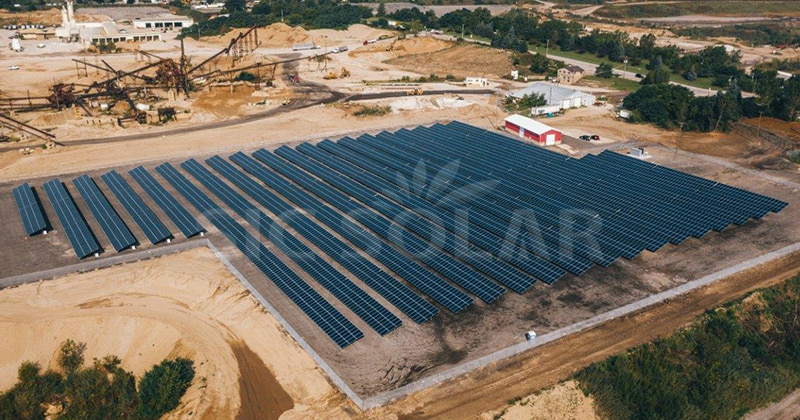
Perkara yang anda perlukan untuk angin bergantung pada di mana anda berada, keadaan tanah, ketinggian anda meletakkan sesuatu dan sejauh mana panel anda dicondongkan. Tempat berhampiran pantai atau di kawasan terbuka biasanya mendapat lebih banyak angin, jadi persediaan anda harus lebih kuat dengan tiang yang lebih besar, pangkalan yang lebih dalam atau rasuk yang lebih keras. Jenis tanah juga penting. Jika ia berbatu, anda mungkin perlu menggerudi untuk pangkalan; jika ia lembut, anda mungkin memerlukan konkrit untuk memastikan keadaan stabil.
Bentuk sistem anda juga memainkan peranan yang besar. Berapa banyak panel anda dicondongkan mengubah jumlah angin yang ditangkap. Jika ia sering dicondongkan ke atas, ia mengambil lebih banyak angin, jadi persediaan anda perlu menangani daya angkat tambahan itu. Jika ia dicondongkan rendah, ia tidak menangkap banyak angin, tetapi anda mungkin masih memerlukan sokongan tambahan. Sejauh mana jarak antara barisan juga penting, kerana jika terlalu dekat, ia boleh mengganggu aliran angin dan menyebabkan masalah.
Adalah sangat penting untuk mempunyai kertas kerja yang betul dan memenuhi peraturan semasa anda melakukan kerja solar sekarang. Banyak tempat menggunakan kod seperti ASCE, Eurocode atau peta angin mereka sendiri untuk mengetahui jenis muatan yang hendak dirancang. Penjual pemasangan tanah menggunakan arahan ini untuk mengetahui sejauh mana kekuatan untuk membuat sesuatu dan menguji sistem mereka. Syarikat seperti SIC Solar biasanya memberi anda fakta, penilaian angin dan bantuan daripada jurutera untuk memastikan pemasang kekal selamat.
Perkara yang diperbuat daripada juga mempengaruhi cara ia mengendalikan angin. Lekap tanah keluli sangat bagus untuk tempat yang bertiup gila, manakala pelekap aluminium berfungsi di tempat dengan angin yang baik di mana anda tidak mahu karat. Tapak yang anda gunakan—sama ada konkrit, tiang dibelasah atau balast—mesti sepadan dengan angin yang anda jangkakan, supaya keadaan tidak bergerak atau naik dari semasa ke semasa.
Memahami perkara yang anda perlukan untuk angin memastikan persediaan anda kekal dan kekal selamat, terutamanya untuk ladang solar yang besar di atas tanah. Perancangan yang baik, barangan yang boleh dipercayai dan pembekal yang boleh anda percayai membantu memastikan semuanya stabil tidak kira apa pun cuaca yang melandanya.



 IPv6 rangkaian disokong
 Melayu
  English
 Deutsch
 español
 português
 Nederlands
 العربية
 日本語
日本語 한국의
한국의 Tiếng việt