
Apa yang Anda Cari?

Bagi pemasangan solar hari ini, cara anda memasang panel sangat penting untuk memastikan semuanya berfungsi dengan baik untuk jangka masa yang lama. Salah satu cara untuk melakukannya, terutamanya pada bumbung rata, adalah dengan menggunakan pemberat berat untuk menahan panel. Dengan cara ini, anda tidak perlu menggerudi bumbung, yang sesuai untuk perniagaan dan kilang.
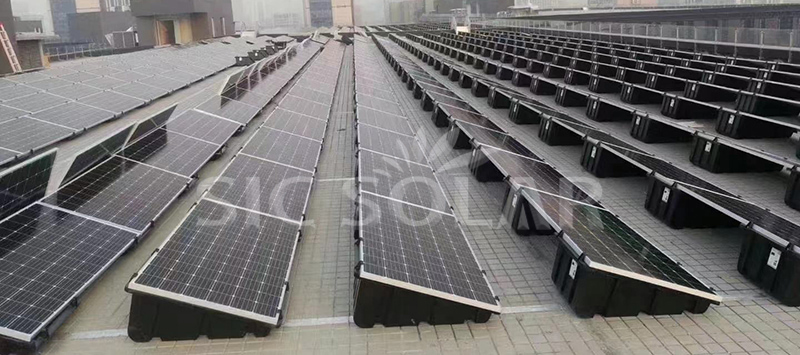
Memahami Bagaimana Konsep Pemasangan Balast Kerja
Daripada menggerudi, persediaan ini menggunakan benda berat, seperti blok, untuk mengelakkan panel daripada bergerak. Beratnya memastikan semuanya stabil, walaupun ketika berangin.
Ini bagus jika anda tidak mahu merosakkan kalis air bumbung anda. Ketiadaan lubang bermakna kurang kebocoran dan kurang kerosakan, sambil tetap memastikan panel solar anda kukuh.
Di Mana Anda Biasanya Melihat Konsep Pemasangan Balast
Anda kebanyakannya akan menemui ini di bumbung rata, seperti di pejabat, gudang dan kilang. Bumbung ini mempunyai banyak ruang, jadi anda boleh menyusun panel dengan betul untuk mendapatkan sebanyak mungkin cahaya matahari.
Kadangkala, anda juga boleh menggunakannya di atas tanah jika tanahnya sukar. Tetapi biasanya, ia berada di atas bumbung.
Apa yang ada dalam Persediaan Panel Berat?
* Bingkai yang memegang panel pada sudut yang anda inginkan.
* Dulang yang memegang blok berat.
* Rel dan pengapit yang memastikan panel melekat pada bingkai.
* Pelapik yang diletakkan di bawah tetapan untuk mengelakkan bumbung daripada tercalar.
Semua benda ini berfungsi bersama untuk mengagihkan berat secara sekata supaya bumbung tidak terlalu tertekan.
Perkara Baik Mengenai Konsep Pemasangan Balast
Bahagian terbaiknya ialah anda tidak perlu menggerudi bumbung, jadi ia kekal kalis air. Memasangnya juga lebih cepat kerana anda tidak perlu mengusik bolt dan sauh. Ini menjimatkan masa dan memudahkan kerja.
Anda juga boleh mengalihkan barang dengan mudah untuk mendapatkan cahaya matahari yang paling banyak, yang sangat membantu di atas bumbung besar.
Memikirkan Angin dan Bahan Bangunan
Walaupun ia mengenai berat, anda masih perlu membuat pengiraan yang betul. Angin benar-benar boleh menolak sesuatu, terutamanya di bangunan tinggi. Pakar mengira berapa banyak berat yang anda perlukan berdasarkan ketinggian bangunan, di mana ia berada, betapa beranginnya dan bagaimana panelnya condong.
Pemasangan yang baik dapat meratakan berat supaya bumbung tidak mendapat terlalu banyak tekanan. Pengilang seperti SIC Solar , yang menghasilkan dan membekalkan sistem pelekap fotovoltaik, membangunkan penyelesaian pelekap balast yang mengimbangi kestabilan, ketahanan dan kemudahan pemasangan untuk projek solar bumbung rata.
Mengekalkan Keadaan Berjalan Dengan Baik
Anda perlu menyemak tetapan ini dari semasa ke semasa untuk memastikan semuanya masih ketat dan blok tidak bergerak. Ia biasanya mudah dicapai untuk membersihkan atau membaiki sesuatu. Jika ia dibuat dengan baik, ia boleh tahan cuaca selama bertahun-tahun.
Asas yang berat adalah pilihan yang baik untuk kuasa solar apabila anda mementingkan keselamatan bumbung, memasang barang dengan pantas dan dapat memindahkan barang. Ia sesuai untuk bumbung besar dan rata di premis perniagaan.



 IPv6 rangkaian disokong
 Melayu
  English
 Deutsch
 español
 português
 Nederlands
 العربية
 日本語
日本語 한국의
한국의 Tiếng việt